

23 Nov Word Music
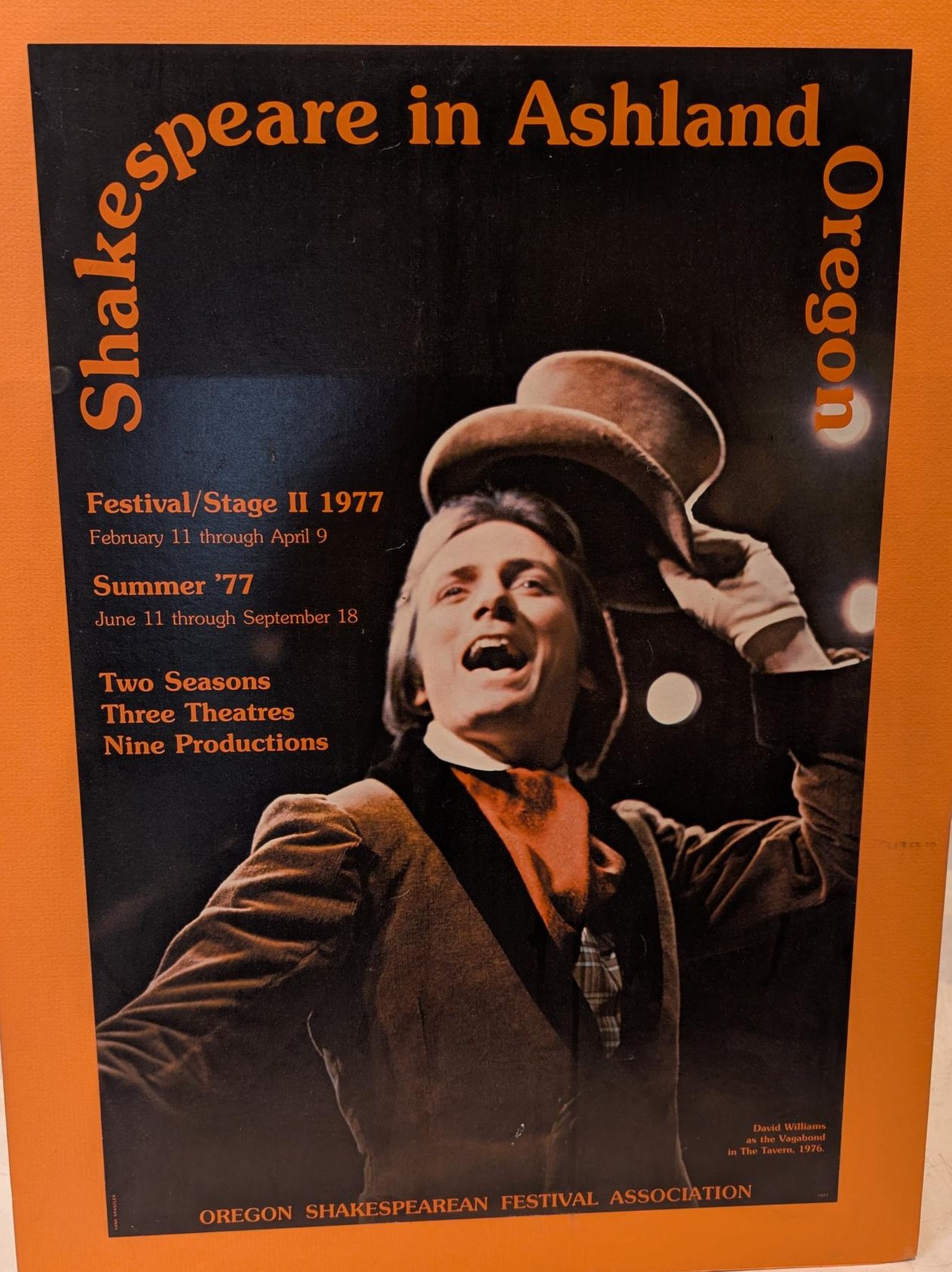
David’s first professional acting job was at the Oregon Shakespeare Festival in 1977 (*). The outdoor theatre had 1,200 seats. Without microphones, the actors’ voices had to be operatic in strength and musicality to be heard by audiences. For five weeks, before the season opened, a voice and diction teacher trained the actors. But the quality of content being delivered was also critical.
Mark Waldman, CEO of NeuroWisdom cites neurocognitive poetics (**) to support what avid readers and actors know. Poetry; metaphor and simile; as well as visual imagery activates various brain centers and connects a speaker or writer with an audience. If a voice can’t deliver these literary devices with vigor and musicality, the message fails.
How can speakers accomplish this goal? One way is during rehearsal, in an open space, deliver the prologue to Henry V like an opera singer or Adele and let it rip:
“O for a Muse of fire, that would ascend
The brightest heaven of invention,
A kingdom for a stage, princes to act
And monarchs to behold the swelling scene!”
Waldman said, “Scientific concepts need rivers of imagery to flow into understanding.” We agree.
(*) Jeanne Smart of Hacks, Powers Boothe of Deadwood, and Kyle MacLachlan of Twin Peaks all trained and performed at Oregon Shakespeare.
(**) Neurocognitive poetics applies neuroscience to study how the brain processes and responds to poetry and literary texts.
Sorry, the comment form is closed at this time.